Choosing the Right Anti Vibration Mount for Your Industrial Needs
Understanding Anti Vibration Mounts
What are Anti Vibration Rubber Mounts?
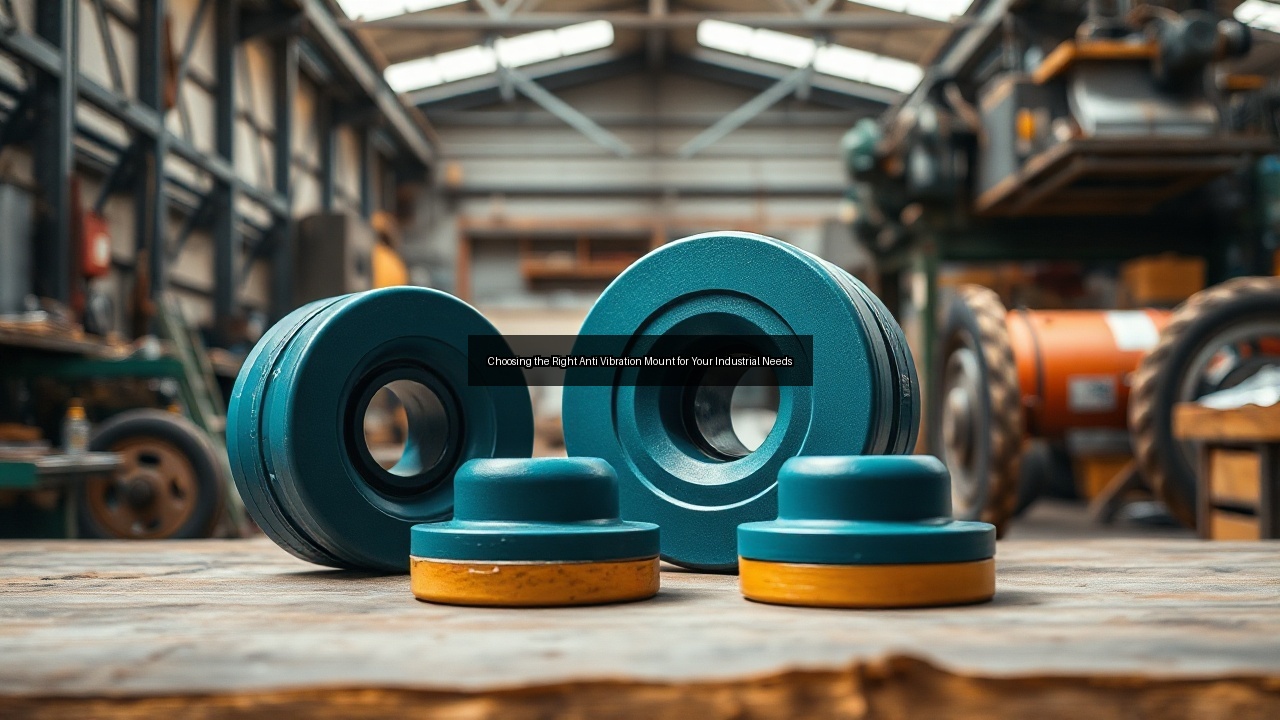
Anti vibration rubber mounts serve as essential components in various industrial settings, designed to absorb and isolate vibrations generated by machinery. These mounts consist of elastomeric materials, primarily natural rubber or neoprene, which effectively dampen vibrations transmitted from machines to their supporting structures. By minimizing the transfer of vibration, these mounts protect sensitive equipment and enhance overall operational efficiency. They come in various shapes and sizes, including cone, cylindrical, and bumpers, tailored to specific applications and load requirements. The choice of anti vibration mount impacts not only the longevity of machinery but also the comfort of personnel working in proximity to vibrating equipment.
Importance of Vibration Isolation in Industrial Applications
Vibration isolation plays a critical role in maintaining the integrity of machinery and ensuring a safe working environment. Excessive vibrations can lead to premature wear and tear on equipment, resulting in costly repairs and downtime. In industries such as manufacturing, construction, and marine, effective vibration control becomes paramount. By employing anti vibration rubber mounts, facilities can achieve significant noise reduction, improve machinery performance, and extend the lifespan of both machines and supporting structures. Effective vibration isolation also contributes to worker safety by minimizing risks associated with excessive noise and the potential for equipment failure.
Key Materials Used: Natural Rubber vs. Neoprene
Choosing the right material for anti vibration mounts significantly influences their performance. Natural rubber mounts offer excellent vibration damping capabilities, flexibility, and resilience. They excel in applications where temperature and environmental factors are stable. On the other hand, neoprene rubber mounts provide enhanced durability and resistance to chemicals and weathering, making them suitable for harsher environments. The decision between natural rubber and neoprene depends on specific application requirements, including temperature ranges, exposure to oils or chemicals, and the frequency of vibrations. Each material has its advantages, but both effectively contribute to vibration isolation and noise control.
Selecting the Right Anti Vibration Mounts for Your Machinery
Factors to Consider: Frequency and Stiffness
When selecting anti vibration rubber mounts, understanding the frequency of the vibrations and the stiffness of the mounts is crucial. Different machines produce varying vibration frequencies, which necessitate specific mount designs to achieve optimal vibration isolation. For instance, a generator with a low-frequency output may require softer mounts to absorb those vibrations effectively. Conversely, high-frequency vibrations might necessitate stiffer mounts that can withstand the energy without excessive deformation. Analyzing the machinery's operational characteristics, including load weight and dynamic behavior, aids in selecting the appropriate vibration isolator. Properly matched mounts significantly enhance vibration reduction and prolong machine life.
Types of Anti Vibration Mounts: From Rubber to Wire Rope
Anti vibration mounts come in diverse types, each suited for different applications and vibration profiles. Rubber mounts, the most common, provide effective damping for various machinery, including compressors, HVAC systems, and engines. Additionally, wire rope mounts offer a unique solution for heavy machinery and applications requiring high load capacities. These mounts use the tensile strength of wire rope to absorb vibrations while maintaining structural integrity. Other options include elastomeric mounts, which combine rubber and metal components for added strength, and spring mounts that allow for further absorption of shock and vibration. Understanding the specific requirements of your machinery will guide you in selecting the most effective type of anti vibration mount.
Application-Specific Mounts: HVAC Systems, Generators, and Compressors
Application-specific anti vibration mounts address the unique challenges faced by various systems. For HVAC systems, mounts designed to isolate compressor vibrations significantly enhance noise control and operational efficiency. Generators also benefit from specialized rubber mounts that minimize vibration transfer to the surrounding structure, reducing noise levels and improving user comfort. Compressors require robust mounts capable of handling high-frequency vibrations, making the selection of appropriate mounts vital for consistent performance. Each application has its specific vibration characteristics and load requirements, necessitating tailored solutions to achieve optimal vibration isolation and control.
Installation and Maintenance of Anti Vibration Rubber Mounts
Best Practices for Installation of Vibration Isolators
Proper installation of anti vibration rubber mounts is essential for maximizing their effectiveness. Begin by assessing the machinery's load and ensuring that the selected mounts can accommodate this weight without excessive compression. Align mounts correctly to ensure even weight distribution, avoiding misalignment that could lead to premature wear. Utilize appropriate tools and techniques to secure the mounts, ensuring no additional stress is placed on the rubber during installation. Consider the height and diameter of the mounts, as these factors influence performance. Following manufacturer guidelines during installation helps achieve optimal vibration control and prevents future issues.
Regular Maintenance to Ensure Effective Vibration Control
Regular maintenance of anti vibration rubber mounts is crucial for sustaining their performance over time. Inspect mounts periodically for signs of wear, such as cracks or deformation, which can compromise their ability to isolate vibrations. Replace damaged mounts promptly to maintain effective vibration control. Additionally, ensure that all mounting hardware remains secure and free from corrosion. Regular cleaning of mounts, especially in environments with dust or debris, enhances their longevity. Keeping a maintenance schedule helps identify potential issues early and ensures that vibration isolation remains effective, protecting both machinery and personnel.
Common Issues and Solutions in Vibration Damping
Despite their effectiveness, anti vibration rubber mounts can encounter issues that affect performance. One common problem is the degradation of rubber due to environmental factors such as UV exposure, chemicals, or extreme temperatures. Selecting the right material, such as neoprene for harsh environments, can mitigate this risk. Another issue is improper installation, leading to misalignment and uneven loading. Regular checks and adherence to installation guidelines can prevent these problems. Additionally, if vibrations persist despite using mounts, reassessing the machinery's operational frequency and load characteristics may reveal the need for different mounts or additional damping solutions.
Applications and Benefits of Anti Vibration Mounts
Noise Control in Industrial Environments
Effective noise control remains a significant benefit of employing anti vibration mounts in industrial settings. Machinery often generates significant noise levels, which can affect worker productivity and health. By utilizing anti vibration rubber mounts, industries can significantly reduce noise pollution, creating a more comfortable working environment. The noise reduction achieved through vibration isolation not only enhances employee satisfaction but also complies with regulatory requirements for permissible noise levels. This aspect is particularly crucial in sectors like marine and construction, where equipment operates in close proximity to workers.
Enhancing Machinery Longevity through Vibration Reduction
Vibration reduction directly correlates with the longevity of machinery. Excessive vibrations can lead to mechanical failure, increased maintenance costs, and decreased operational efficiency. Anti vibration mounts play a pivotal role in minimizing these vibrations, thereby extending the life of equipment. By isolating vibrations, these mounts protect sensitive components within machinery, reducing wear and tear. Industries that prioritize vibration control often experience lower operational costs and fewer service interruptions. Investing in quality anti vibration mounts translates into long-term benefits, enhancing both productivity and profitability.
Case Studies: Success in Marine and Construction Industries
Numerous case studies demonstrate the effectiveness of anti vibration mounts in various industries. In the marine sector, vessels equipped with specialized rubber mounts experienced significant noise reduction, leading to improved comfort for crew members and passengers alike. These mounts also protected sensitive navigation equipment from vibrations caused by engine operation. In the construction industry, companies utilizing anti vibration mounts for heavy machinery saw decreased downtime due to equipment failure. By minimizing vibrations, these mounts improved the reliability of excavators and cranes, allowing for continuous operation and enhanced project efficiency. Such success stories highlight the critical role of vibration isolation in modern industrial applications.