Common Issues with Furnace Blower Housing and How to Fix Them
Understanding Furnace Blower Housing Issues
Common Types of Blower Housing Problems
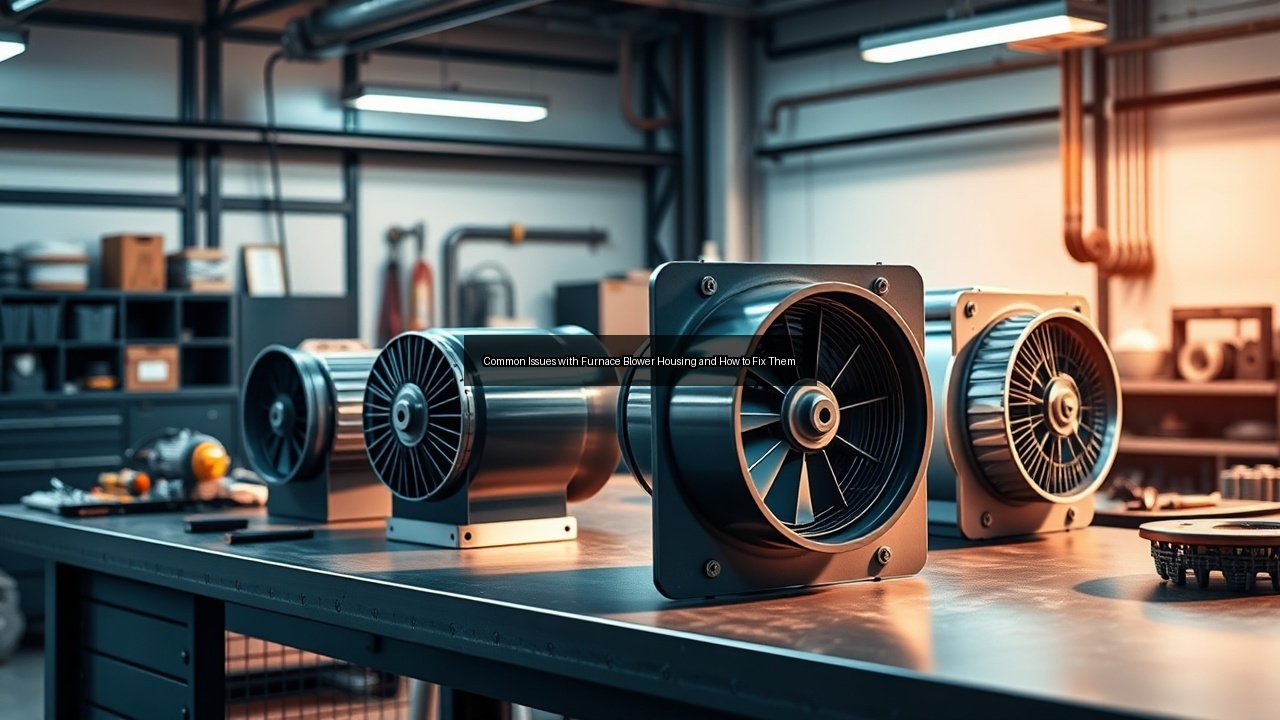
Blower housings in HVAC systems often face cracks, corrosion, and misalignment that reduce efficiency. Cracks develop from repeated thermal expansion in furnace operations, allowing air leaks that strain the entire HVAC blower motor. Corrosion sets in when moisture accumulates inside older units, especially in humid climates where air conditioners run alongside furnaces. Misalignment occurs after improper installations or vibrations loosen mounting points on blower fans. These issues disrupt the HVAC blower housing assembly and lead to uneven pressure across the system. Technicians identify these problems during routine inspections by checking for visible damage on the cage and testing airflow consistency. Addressing them early prevents blower motors from overheating and extends the life of the full HVAC setup.
How Blower Fans Affect HVAC Performance
Blower fans pull air through the HVAC system and push it across heating or cooling coils to maintain indoor comfort. When blower fans operate at reduced capacity due to housing restrictions, the furnace struggles to distribute warmth evenly, creating cold spots in rooms. AC blower performance drops similarly when housing damage restricts intake, forcing the compressor to work harder and raising energy costs. Strong blower fans maintain steady pressure that keeps filters clean longer and supports consistent temperatures. Weak performance from damaged housings also increases wear on connected components like the blower motor and ductwork. Regular checks on fan blades and housing integrity keep the overall HVAC running smoothly without sudden breakdowns during peak seasons.
The Role of the Air Filter in Blower Functionality
The air filter protects blower fans and the HVAC blower housing from dust buildup that restricts airflow. A clogged filter forces the blower motor to pull harder, which stresses the housing assembly and shortens component life. Clean filters allow blower fans to move air at designed volumes, maintaining proper pressure throughout the furnace and air conditioner. Homeowners replace filters every one to three months depending on pet dander, construction dust, or high usage periods. Neglected filters lead to dirt accumulation inside the cage, reducing efficiency and triggering safety shutoffs in modern HVAC systems. Proper filter maintenance directly supports blower housing longevity by minimizing debris that causes imbalances and vibrations during operation.
Identifying Symptoms of Blower Housing Problems
Noisy Blower Fans: Causes and Solutions
Noisy blower fans signal problems inside the HVAC blower housing such as loose debris, worn parts, or unbalanced blades. Rattling sounds often come from objects caught in the cage after filter failures, while grinding indicates ball bearing wear in the motor. Squealing arises when belts slip or housings shift out of alignment during furnace cycles. Homeowners shut down the system and inspect the housing first to clear visible obstructions before testing fan rotation by hand. Lubricating accessible bearings or tightening mounts resolves many cases, but persistent noise requires motor replacement. Ignoring these sounds allows small issues to damage the full blower housing assembly and raise repair expenses over time.
Poor Airflow: Diagnosing Blower Housing Issues
Poor airflow from vents points to restrictions in the HVAC blower housing that block proper circulation. Blocked intake sections, warped housings, or collapsed cages reduce the volume of air blower fans can move across coils. Technicians measure static pressure at multiple points to confirm housing damage as the source rather than duct leaks or dirty coils. Weak airflow also causes the furnace to short cycle, wasting energy and leaving rooms uncomfortable. Visual inspection reveals dents or separations in the housing that disrupt the seal around blower fans. Correcting these restores full capacity and prevents strain on the HVAC system that leads to higher utility bills during winter and summer months.
Unusual Smells from the Furnace or AC
Unusual smells from the furnace or air conditioner often trace back to debris burning on hot surfaces inside a damaged HVAC blower housing. Mold growth in moist housings produces musty odors when blower fans activate after long idle periods. Burning plastic or electrical scents indicate overheating motors caused by restricted airflow from housing cracks. Homeowners turn off power immediately and check the cage and filter area for visible buildup before calling service. Persistent odors signal deeper issues like corroded metal releasing particles into the airstream. Quick diagnosis protects indoor air quality and avoids fire hazards tied to neglected blower housing problems.
DIY Fixes for Common Blower Housing Problems
Cleaning the Blower Housing and Cage
Cleaning the blower housing and cage removes dust layers that restrict blower fans and reduce HVAC performance. Homeowners disconnect power, remove the access panel, and vacuum loose debris from the housing interior without bending fan blades. A soft brush clears stubborn buildup on cage surfaces while compressed air reaches tight corners around the motor. This process restores airflow and prevents future imbalances that wear down the HVAC blower housing assembly. Annual cleaning keeps the furnace and air conditioner operating at peak levels, especially before seasonal changes. Avoid harsh chemicals that corrode metal parts or leave residues that attract more dirt during operation.
Replacing Ball Bearings in Blower Motors
Replacing ball bearings in blower motors restores smooth rotation when housing vibrations signal wear. Technicians remove the motor from the HVAC blower housing, press out old bearings with proper tools, and install new sealed units matched to the original specifications. This fix eliminates grinding noises and prevents the motor from seizing during extended furnace runs. Proper alignment during reinstallation avoids new stress on the cage or fan assembly. Homeowners with basic mechanical skills handle simple motor pulls, but complex models benefit from professional verification to maintain warranty coverage on the HVAC system.
Checking and Replacing the Air Filter
Checking and replacing the air filter improves blower fan efficiency by clearing the path into the HVAC blower housing. Homeowners locate the filter slot near the return duct, note the size, and install a new pleated model rated for their system's airflow needs. This step alone often resolves weak circulation and reduces strain on the entire blower assembly. Monthly inspections catch buildup before it reaches the cage and motor. Consistent filter changes support steady HVAC performance across heating and cooling seasons without requiring deeper housing repairs.
When to Seek Professional Help
Understanding OEM vs. Aftermarket Parts
OEM parts match the exact specifications of the original HVAC blower housing and ensure compatibility with blower fans and motors. Aftermarket options cost less but sometimes vary in material thickness or mounting points, leading to fit issues during installation. Technicians recommend OEM for critical housing assemblies to maintain system balance and avoid voiding performance guarantees. Homeowners compare part numbers from the furnace manual before ordering replacements. Choosing correctly prevents repeated repairs on blower motors or cages that arise from dimensional mismatches in lower-cost alternatives.
Warranty Considerations for HVAC Repairs
Warranty considerations protect homeowners when blower housing failures occur within the coverage period. Manufacturers require documented maintenance like filter changes and professional inspections to honor claims on furnace or air conditioner components. DIY fixes on the HVAC blower housing sometimes void remaining warranty if parts are altered without authorization. Service records help prove issues stem from original defects rather than neglect. Contacting the installing company first clarifies what repairs qualify before scheduling work with outside providers.
Gathering Feedback on HVAC Service Providers
Gathering feedback on HVAC service providers reveals which technicians handle blower housing repairs reliably. Online reviews and neighbor referrals highlight companies that diagnose issues accurately and use quality parts for blower fans and motors. Homeowners request references for similar furnace jobs and verify licensing before scheduling visits. Strong feedback patterns indicate providers who explain options clearly and stand behind their work on HVAC systems. This research avoids repeat service calls caused by incomplete housing fixes or mismatched components.
Maintaining Your HVAC System for Longevity
Regular Maintenance Tips for Blower Motors
Regular maintenance tips for blower motors focus on lubrication, electrical checks, and housing inspections that keep HVAC systems running efficiently. Technicians test amperage draw on the motor each season to catch early signs of strain from restricted airflow. They also verify that the cage spins freely without rubbing damaged housing sections. Homeowners schedule these visits twice yearly to align with furnace and air conditioner demands. Consistent attention prevents small housing problems from escalating into full motor replacements and maintains steady comfort levels year-round.
Seasonal Checks for Furnace and AC Units
Seasonal checks for furnace and AC units catch HVAC blower housing wear before it affects performance. Spring inspections focus on cooling coils and condensate drains while fall visits examine heat exchangers and blower assemblies. Technicians clear debris from the cage and test fan balance to ensure proper operation across temperature swings. These checks also confirm that filters fit correctly and airflow meets manufacturer ratings. Homeowners who follow this schedule experience fewer emergency calls and longer service life from their complete HVAC setup.
Upgrading to High-Efficiency Blower Housings
Upgrading to high-efficiency blower housings improves airflow and reduces energy use in aging HVAC systems. Newer designs feature smoother interiors that minimize turbulence around blower fans and support variable-speed motors. Homeowners evaluate these upgrades during major repairs when existing housings show extensive corrosion or cracks. The investment often pays back through lower utility costs and quieter operation from the furnace and air conditioner. Professional installation ensures the new assembly integrates properly with existing ductwork and controls for optimal results.