Understanding the Role of Galvanized Steel in the Metal Industry
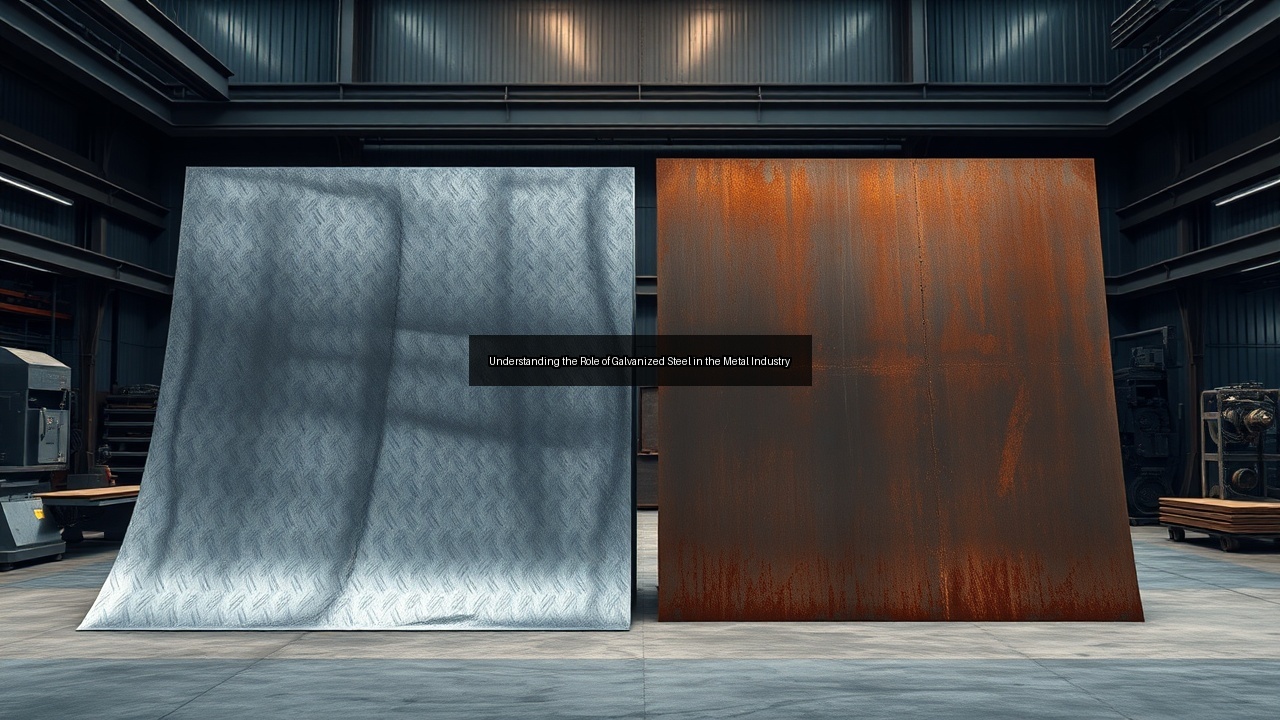
Introduction to Galvanized Steel and Stainless Steel
Definition and Overview of Galvanized Steel
Galvanized steel undergoes a galvanization process where manufacturers coat carbon steel with a layer of zinc. This protective barrier shields the underlying metal from moisture and oxygen, preventing rust formation that commonly affects untreated steel plates and sheet metal. In the metal industry, galvanized materials serve structural roles because they combine strength with long-term durability at lower prices than many alternatives. Fabricators rely on this type of steel for outdoor fasteners, fencing, and roofing because the zinc sacrifices itself to protect exposed areas. Pros of galvanized steel include straightforward application through hot-dip methods and reliable performance in harsh environments where corroding would otherwise shorten service life.
Galvanizing adds minimal weight while extending usability across decades. Workers encounter galvanized products daily in construction sites and manufacturing plants. The process bonds zinc metallurgically to the steel surface, creating a tough coating that withstands abrasion better than paint alone. This approach supports high-volume production of beams, pipes, and panels that maintain integrity under constant exposure to weather.
Definition and Overview of Stainless Steel
Stainless steel contains chromium that forms an invisible oxide layer on its surface. This self-repairing film blocks corrosion even when the metal faces scratches or cuts. Producers blend nickel, molybdenum, and other elements to tailor grades for specific demands in the metal industry. Stainless resists staining and maintains appearance without additional coatings, which suits applications where hygiene and aesthetics matter. Pros of stainless steel emerge in environments that demand repeated cleaning or contact with corrosive chemicals.
Engineers select stainless grades for components exposed to acids or salts. The material's inherent properties eliminate the need for galvanization, yet it commands higher prices due to alloy content. Stainless steel plates and sheets appear in precision equipment where surface purity prevents contamination. Its non-magnetic options further expand uses across electronics and medical tooling.
Importance of Steel in the Metal Industry
Steel forms the backbone of modern infrastructure because it delivers high tensile strength at scale. Both galvanized and stainless variants address different performance needs within fabrication shops and mills. Galvanized steel supports mass projects where budget constraints favor zinc coatings over premium alloys. Stainless steel fills niches that require superior corrosion resistance without ongoing maintenance. The metal industry processes millions of tons annually, with steel plates feeding everything from vehicle frames to pressure vessels.
Carbon steel serves as the base for most galvanized output, while stainless production consumes refined ores and energy. This distinction drives material choices during design phases. Industry professionals compare galvanized steel vs stainless steel when balancing initial costs against lifecycle expenses. Steel's recyclability reinforces its central position, allowing scrap from either type to return as new stock without quality loss.
Corrosion Resistance: Galvanized Steel vs Stainless Steel
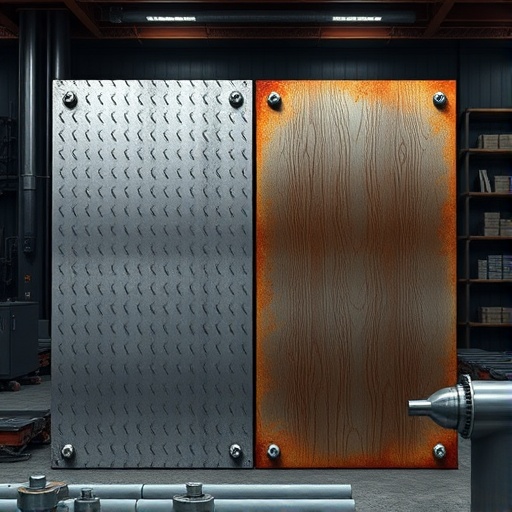
Understanding Corrosion: What Happens to Metals?
Corrosion occurs when metals react with environmental elements, forming oxides that weaken structural bonds. Untreated steel develops rust that flakes away and exposes fresh surfaces to further attack. Moisture, salts, and acids accelerate this cycle, especially on sheet metal used outdoors. In pressure vessels and bridges, unchecked corroding leads to leaks or collapses that endanger safety. The metal industry studies these reactions to develop protective strategies that extend component life.
Electrochemical processes drive most metal degradation. Anodic sites on the surface lose electrons while cathodic areas gain them, creating a continuous circuit in the presence of an electrolyte. Carbon steel shows particular vulnerability because iron readily forms hydrated oxides. Understanding these mechanisms helps engineers select coatings or alloys that interrupt the reaction before damage accumulates.
Galvanized Steel's Corrosion Resistance
Galvanized steel gains corrosion resistance through zinc's sacrificial action. The coating corrodes preferentially, protecting scratches and cut edges on the underlying steel. This property proves valuable for fasteners and railings that face constant weathering. Galvanizing delivers effective barriers in moderate environments where stainless would prove excessive. Pros of galvanized steel include rapid application and proven results across decades of field use.
Thicker zinc layers increase protection time before the base metal faces exposure. Hot-dip galvanizing penetrates pores in the steel, creating a metallurgical bond stronger than mechanical coatings. In coastal regions, however, salt spray eventually consumes the zinc, requiring eventual replacement. Regular inspection identifies thinning before rust appears on structural members.
Stainless Steel's Corrosion Resistance and Applications
Stainless steel maintains corrosion resistance through its chromium-rich passive layer that reforms after damage. This characteristic allows the metal to perform in chemical plants, marine settings, and food processing lines without coatings. Grades with added molybdenum handle chlorides that would pit lesser metals. Stainless steel vs galvanized steel often comes down to whether the application tolerates higher upfront prices for minimal upkeep.
Engineers specify stainless for pressure vessels carrying aggressive fluids because the alloy withstands pitting and crevice corrosion. Surface finishes influence performance; polished stainless resists staining better than rough textures. The material's longevity offsets initial costs in facilities where downtime for recoating creates production losses.
Applications and Uses in Various Industries
Galvanized Steel in Construction and Infrastructure
Galvanized steel dominates construction because it offers economical protection for beams, decks, and guardrails. Highway departments specify galvanized guardrails for their ability to endure road salts without rapid rusting. Builders use galvanized sheet metal for HVAC ductwork and roofing panels that must survive decades of rain and sun. The zinc coating reduces the risk of structural weakening in bridges and transmission towers.
Fastener manufacturers produce galvanized bolts and nuts that maintain clamping force even after surface abrasion. Infrastructure projects benefit from galvanized steel plates that weld readily into large assemblies. Galvanizing supports rapid erection schedules because crews handle coated sections without extra painting steps on site.
Stainless Steel in Medical and Food Industries
Stainless steel excels in medical and food industries due to its non-porous surface that inhibits bacterial growth. Surgical instruments, processing tables, and storage tanks rely on stainless grades that withstand sterilization cycles. The material avoids metallic contamination in pharmaceutical production, preserving product purity. Pros of stainless steel include compatibility with aggressive cleaners that would degrade coated alternatives.
Food processors choose stainless conveyors and vats because the alloy resists corrosion from acids in fruits and dairy. Medical facilities install stainless handrails and equipment carts that maintain appearance after repeated disinfection. Regulatory standards often mandate stainless in these sectors to meet hygiene requirements that galvanized coatings cannot satisfy long-term.
Comparative Analysis of Applications
Galvanized steel vs stainless steel reveals clear application boundaries. Galvanized handles exterior structural loads at lower prices while stainless serves interior hygienic zones. Construction favors galvanized for cost efficiency on large surfaces. Medical and food sectors select stainless to eliminate contamination risks. Both metals contribute to the metal industry, yet their strengths align with distinct operational demands.
Hybrid designs sometimes combine galvanized frames with stainless fittings where budgets allow targeted upgrades. Decision makers evaluate exposure conditions, maintenance access, and expected service life when choosing between the two. This analysis ensures projects receive appropriate materials without overspending on unnecessary corrosion resistance.
Weldability and Fabrication Techniques
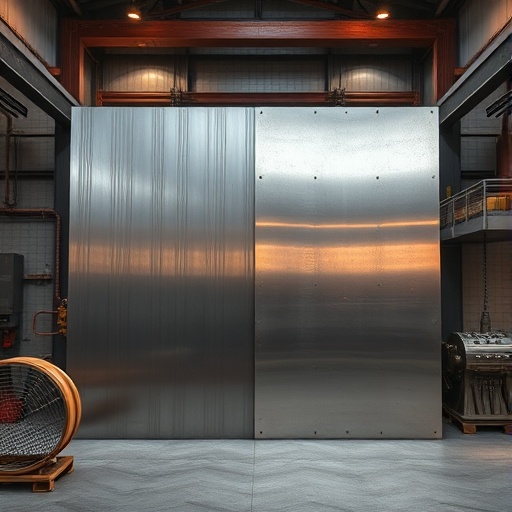
Weldability of Galvanized Steel
Galvanized steel welds successfully when fabricators remove zinc near the joint or use proper ventilation to disperse fumes. The zinc coating melts at lower temperatures than steel, so it vaporizes during arc welding and can cause porosity if trapped. Skilled welders grind coating edges back before joining galvanized plates or sheet metal. This preparation maintains joint strength comparable to uncoated carbon steel.
Resistance spot welding works well on galvanized automotive panels because the zinc acts as a flux. Post-weld coatings restore protection at seams. Galvanized components retain good weldability across common processes, supporting efficient assembly of frames and enclosures.
Challenges with Welding Stainless Steel
Stainless steel demands controlled heat input during welding to avoid carbide precipitation that reduces corrosion resistance. Distortion occurs more readily because the alloy expands differently than carbon steel. Shielding gas selection prevents oxidation that dulls the surface and creates weak spots. Welders often use filler metals matched to the base grade to preserve mechanical properties.
Back purging with inert gas protects the root side of stainless welds in pressure vessels. Post-weld passivation restores the chromium oxide layer after fabrication. These steps add time compared with galvanized welding yet ensure long-term performance in corrosive service.
Laser Cutting Techniques for Both Metals
Laser cutting delivers precise edges on both galvanized and stainless steel with minimal heat-affected zones. The process handles varying thicknesses of sheet metal efficiently, producing clean contours for subsequent forming. Galvanized material requires fume extraction because zinc vaporizes quickly under the beam. Stainless cutting benefits from assist gases that prevent dross adhesion on cut faces.
Modern laser systems maintain tight tolerances on steel plates used for pressure vessels and machinery bases. Edge quality reduces secondary finishing, lowering overall fabrication costs. Both metals respond well to laser methods, enabling rapid prototyping and production runs across the metal industry.
Economic Considerations and Sustainability
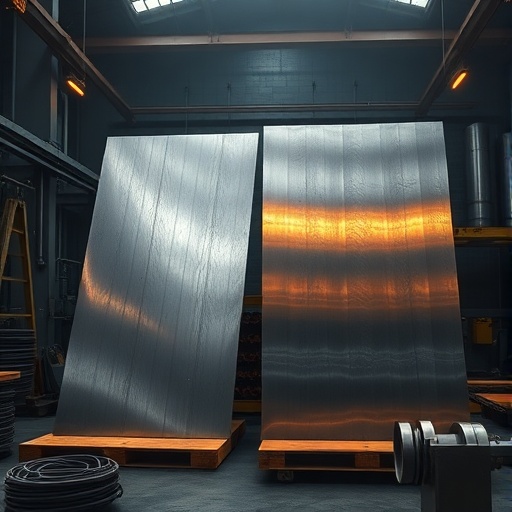
Price Comparison: Galvanized vs Stainless Steel
Galvanized steel typically costs less than stainless because it starts from standard carbon steel plus a zinc coating. Stainless prices rise with alloy content and processing steps required to achieve corrosion resistance. Projects with tight budgets often select galvanized for structural elements where appearance matters less. Stainless justifies its premium in applications that demand zero maintenance over extended periods.
Market fluctuations in zinc and nickel affect relative prices. Fabricators monitor these trends when quoting galvanized steel vs stainless steel options. Total ownership costs include installation labor, recoating intervals, and disposal fees at end of life.
Sustainability Factors in Steel Production
Steel production generates carbon emissions, yet both galvanized and stainless support closed-loop recycling that reduces virgin material needs. Galvanizing uses zinc that can be recovered during steel remelting. Stainless recycling preserves valuable alloy elements, lowering the environmental footprint compared with primary production. The metal industry invests in electric arc furnaces that run on renewable energy to cut emissions further.
Galvanized coatings extend product life, delaying replacement and conserving resources. Stainless longevity similarly reduces mining demand. Sustainability metrics now guide material selection alongside traditional performance criteria.
The Future of Steel: Innovations and Eco-Friendly Practices
Innovations in galvanizing include thinner, more uniform zinc layers that maintain protection while using less material. Stainless producers develop leaner alloys with reduced nickel content without sacrificing corrosion resistance. Laser cutting advances and improved weldability techniques lower energy consumption during fabrication. The metal industry explores carbon capture at mills to address emissions from steel production.
Eco-friendly practices emphasize traceability of recycled content and responsible sourcing of zinc and chromium. These developments position both galvanized and stainless steel for continued relevance as infrastructure demands grow. Future standards will likely reward materials that balance performance, price, and environmental impact.